
2025 Advent Calendar






Welcome to your 2025 Seed Advent Calendar!
This calendar has been created to bring you a year of food growing fun – with something to sow in every season.
As we open each envelope, we’ll share a little more information about each variety.
We hope you enjoy your 24 days of advent, and we can’t wait to grow with you in 2026.
Happy Advent! x
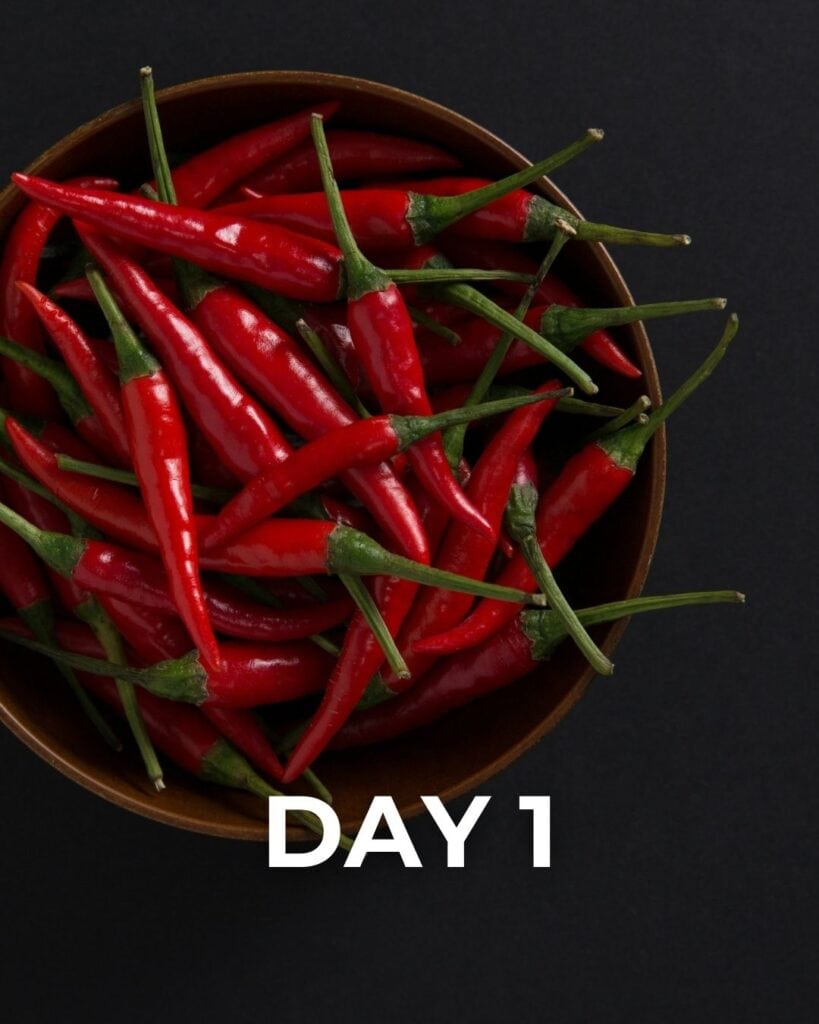
Zimbabwe Black is an open-pollinated, heritage chilli from South Africa. Its deep, dark foliage is rare for a chilli plant and will look beautiful in the kitchen garden, or wherever you decide to grow it. The stems, leaves and flowers are almost black, making it a striking choice for edimental containers and ornamental borders. The chillies start nearly black before ripening to red, creating a bold colour contrast on the plant. With a medium heat and a lightly sweet, fruity edge, this variety brings a lovely flavour to chilli oils, sauces, chutneys and slow-cooked dishes.
Sow: Late December to April
For the truest taste of Thailand, look no further than Basil ‘Horapha Rau Que’. This is the variety used in authentic curries, stir-fries and noodle dishes. Its flavour is uniquely complex, with warm anise and clove notes layered with subtle spice, creating the unmistakable aroma found in Thai cuisine. Deep green leaves and purple stems add beauty to pots as well as plates, and the plants thrive best in warm, sheltered spots. A rare and essential herb for anyone who loves cooking Southeast Asian food.
Sow: March to July
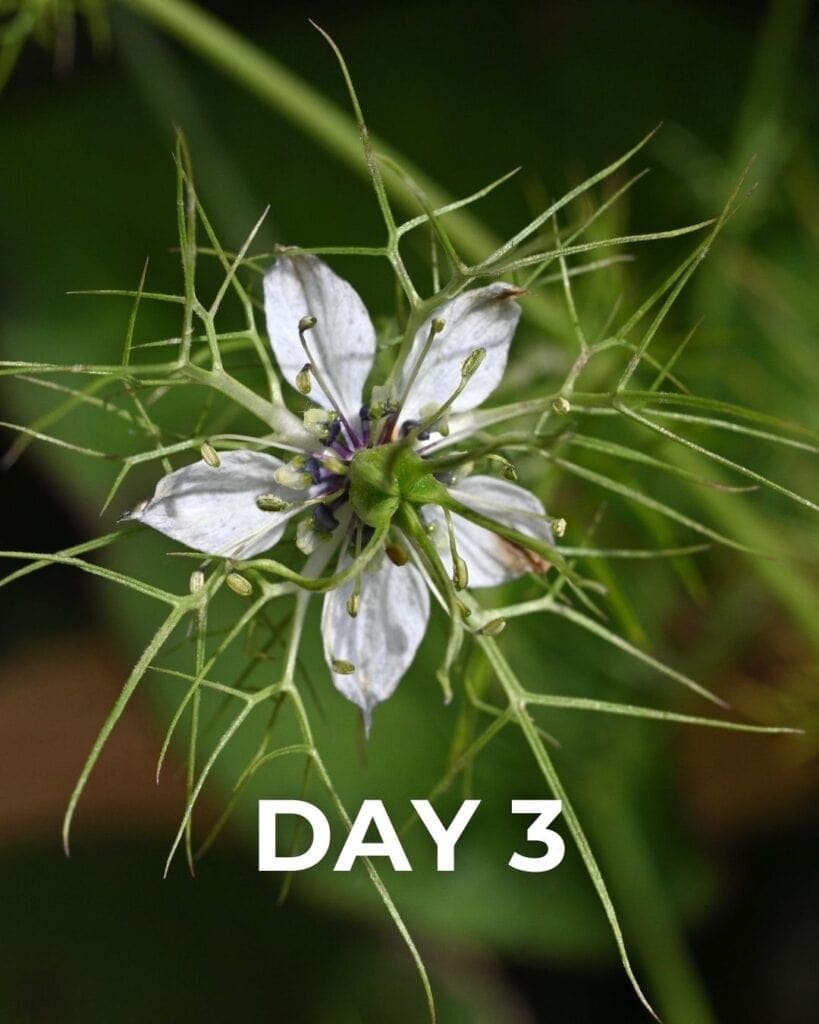
A heritage spice that has been cultivated for over 3,000 years and was even found in Tutankhamun’s tomb. Warm, nutty and peppery, and particularly popular in Middle Eastern flatbreads and Indian dishes. The plant brings delicate, feathery foliage that adds a soft texture to borders, followed by white flowers with a slightly blue tinge in late spring and early summer. These develop into striking seed heads that add interest to borders while you eagerly await the harvest. The seeds are best lightly toasted to release their flavour and warm aroma before sprinkling onto your dishes.
Sow: March to May & September to November
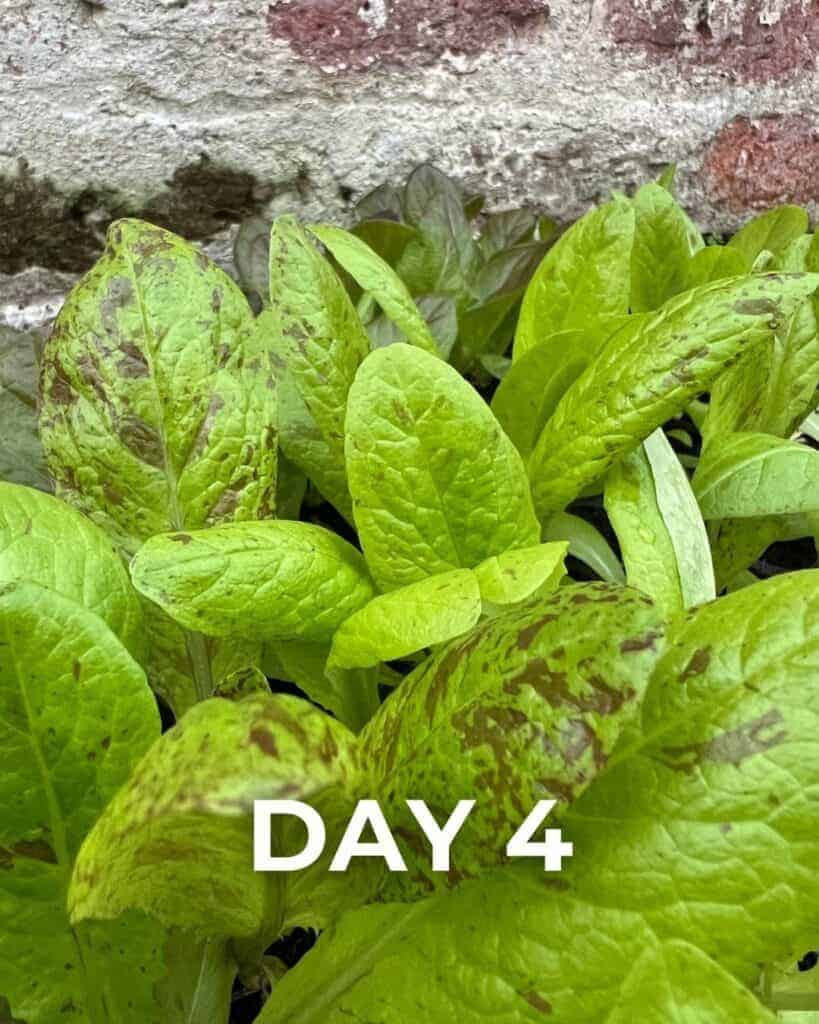
Lettuce ‘Freckles’ is an Austrian heirloom from the late 1700s. It has been a favourite of chefs and gardeners for generations. Its beautiful, crisp green leaves are flecked with wine-red spots, visually elevating even the simplest of salads. The sweet, buttery texture is sure to impress too!
Sow: March to September (but avoid the heat of mid-summer)
Tromboncino d’Albenga is an open-pollinated, treasured Italian heirloom from Liguria. This variety works as both a summer squash when picked young and a winter squash if you let it fully mature. The curved, pale-green fruits have sweet flesh that holds onto its flavour when cooked. A versatile variety that chefs and gardeners have loved for generations.
Sow: April to June
Tomato San Marzano is a treasured Italian heirloom tomato first recorded in 1770. It is considered the gold standard for a true Italian pizza sauce. The long, slender fruits have a low seed count and a sweet, rich flavour that makes them perfect for passata, pizza sauces and slow-cooked Italian dishes. A real culinary classic that chefs and gardeners have loved for generations. Impossible to beat!
Sow: January to April
First grown in 19th-century Parisian market gardens, this cute and charming little carrot forms round roots that are ideal for shallow soils or containers. Sweet, crunchy and full of flavour, they’re a nod to the days when chefs sought the finest produce from the city’s famed Marché. A gourmet carrot full of heritage charm.
Sow: March to July
Welsh Red is a treasured, open-pollinated heritage salad onion also known as a Japanese bunching onion. Despite the name, Welsh onion does not originate from Wales — “Welsh” comes from the old English word welisc, meaning non-native. This species has been grown in Japan for more than 1,000 years, making it one of the oldest preserved onion crops still used in kitchen gardens today.
These onions are often grown as an annual, but are actually perennial if you look after them. The plants will naturally divide in autumn and spring, giving you new clumps over time.
Sow: March to October
Scarlet Tatsoi is a modern open-pollinated heirloom, rooted in Asian culinary tradition. Also known as rosette bok choy or spoon mustard, it forms low rosettes of deep burgundy leaves with green stems — a variety with real visual character that adds colour in the garden and on the plate. It is a cold-tolerant plant ideal for growing during the cooler months. The flavour is nutty and mild, ideal for sautéing, steaming or adding fresh to ramen and winter salads. The leaves can be enjoyed as a baby leaf or as a full-sized harvest. A perfect choice if you love cooking with seasonal greens and enjoy plants with visual character.
Sow: March to September
A treasured herb in Japanese cuisine, red shiso has been grown since the 8th century for its aromatic leaves and rich colour. With notes of basil, mint and cinnamon, it’s traditionally used to wrap sushi, season rice and add colour to pickles. It has been making a huge comeback in both gardens and kitchens, becoming a favourite again for cooks and chefs who love bold colour on their plates, and for gardeners who enjoy growing something extra special.
Sow: March to May
Beetroot ‘Egyptian’ is an open-pollinated heritage beetroot, often called Early Egyptian, Early Egyptian Flat, or Egyptian Flat. Grown in kitchen gardens since the mid-late 1800s, this variety is recognised for its naturally compact, flattened top growth. The roots form close to the surface, and the neat, dark foliage holds its shape as it grows.
Sow: March – July
Calling all tapas lovers!
The Padron pepper is a popular Spanish heirloom, well known for its use in tapas, where the young, green peppers are fried in olive oil until blistered and served with a pinch of salt. Originating from Galicia in north-west Spain, the peppers are famous for their unpredictable heat. Generally the peppers are very mild when young, but every so often a rogue spicy one appears, adding a little surprise and a lot of fun.
Sow: December to April
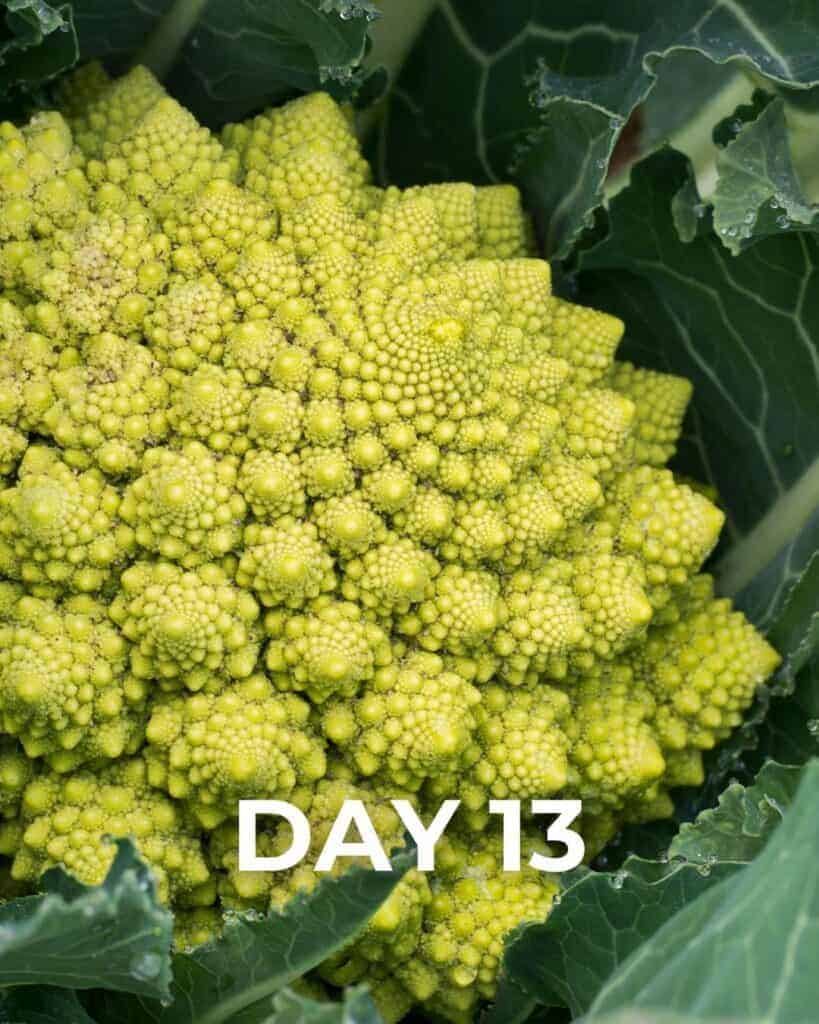
Cauliflower ‘Romanesco Precoce’ is a striking Italian heirloom known for its spiralled, lime-green heads and geometric form. This traditional variety is grown for its reliability and early maturity, producing compact plants with tightly packed florets that hold their shape well as they develop. The colour stays vibrant as it grows. The flavour is mild and slightly nutty, and the florets stay firm when cooked. A variety with undeniable visual appeal in both the garden and the kitchen.
Sow: March to May
Chopsuey Greens ‘Shungiku’ is a traditional Asian leafy green grown for its finely cut foliage and lightly aromatic leaves. Also known as edible chrysanthemum, this variety has been used across East Asia for generations. It grows quickly, forming upright plants with soft, frilled leaves that add structure and interest as they develop. It has a fresh, green flavour similar to parsley or celery leaf, and can be added to ramen, stir-fries and soups, but should be added towards the end of cooking so the flavour doesn’t become too strong. It’s fun to grow and a little bit different.
Sow: March to September
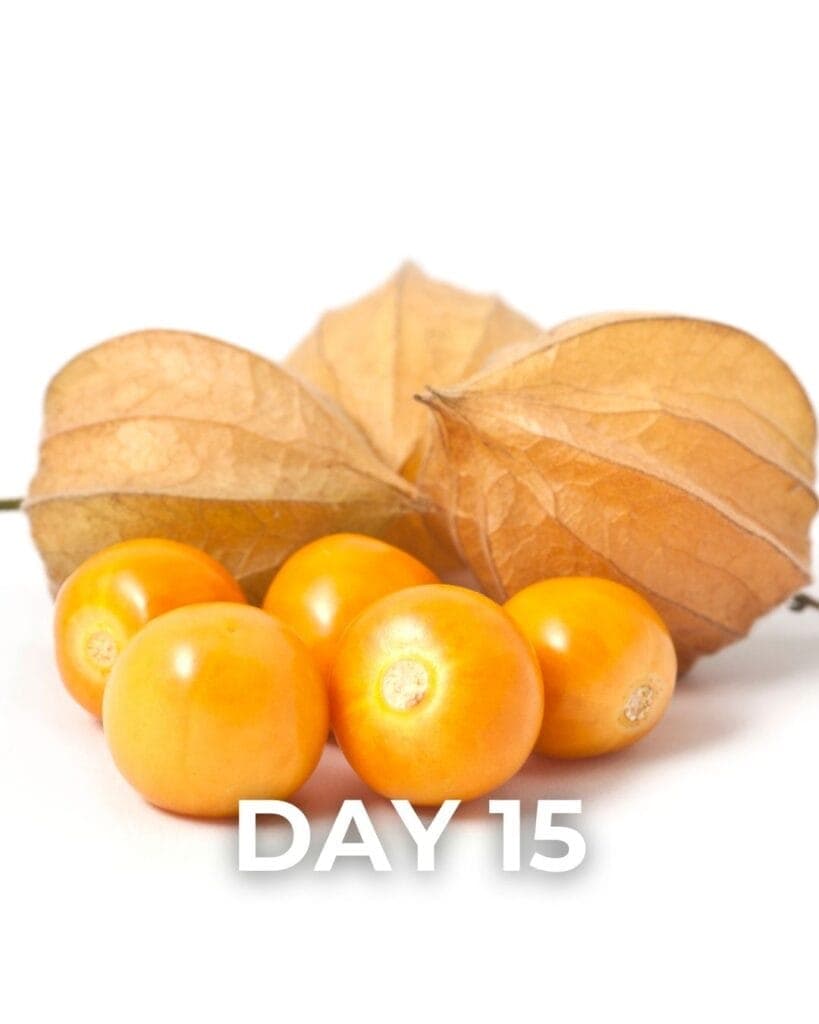
The Cape Gooseberry has been grown since the 1700s, and this dwarf form is a modern, compact version. It produces gorgeous orange berries wrapped in their own papery lantern. They’re naturally high in pectin, making them ideal for jam making, but they’re also delicious straight from the plant. The plant itself looks attractive in pots or smaller garden spaces. This is a lovely little plant to grow.
Sow: February to May
Radish ‘Watermelon’, also known as Radish ‘Red Meat’, is a heritage Chinese variety that has been grown for centuries. From the outside it looks unassuming, with pale green skin, but it gives a real ‘wow’ moment as soon as you slice it open. The flavour is mild and crisp with a light, peppery edge, far less sharp than other radishes. A must-grow if you love plants that surprise and delight.
Sow: March to September
Pak Choi ‘Dwarf Canton White’ is a Chinese heritage variety originating from the Canton (Guangdong) region of southern China, where it has been grown for centuries as an everyday kitchen green. Valued for its compact size and reliable growth, it was traditionally grown in small plots close to the home so it could be harvested fresh and often. This variety forms neat rosettes of crisp white stems and glossy green leaves, staying smaller and more uniform than many modern types. This is a pak choi selected and saved for practicality and flavour long before it became commercialised. Its long history of cultivation is what makes it special.
Sow: March to June & Aug to September
Tomato ‘Tigerella’ is instantly recognisable for the golden, tiger-like stripes running through its bright red skin. It’s not often you come across a tomato with British heritage like this one. Bred using the classic Ailsa Craig variety as part of mid-20th-century British breeding work, its flavour is a perfect balance of sweetness and acidity. Because it was bred in Britain, it performs reliably in our climate too. A stunning variety to grow.
Sow: January to April
Celery ‘Red Soup’ is a heritage cutting celery that has been grown since the 1800s. This European variety was valued for its strong, aromatic flavour rather than thick, crunchy stems. It was traditionally grown for regular cutting and everyday cooking, particularly for soups and broths, where its flavour really comes through. The plants produce slender reddish stems and dark, scented leaves, giving it a very different look and purpose to modern celery. A distinctive variety that reflects older kitchen garden traditions, when celery was grown for flavour first.To be revealed!
Sow: February to June
Mexican tarragon is an ancient herb used by the Aztecs for its culinary importance as well as in cultural rituals, and it has earned a lasting place in Mexican cuisine to this day. It has an unmistakable, tarragon-like flavour, which has given it the nickname winter tarragon because it holds its flavour later into the season. Often used in place of the fussier French tarragon, this variety can be grown easily from seed and is far less demanding than its French counterpart.
Sow: May to July
Chinese cabbage ‘Michihili’ is a Chinese heirloom that has been grown since the 1800s. It forms tall, upright heads with tightly packed pale green leaves and crisp white ribs, giving it a distinctive elongated shape. This variety is particularly well suited to cooler conditions, making it a perfect choice to sow in late summer and autumn in our climate. Michihili is quick to mature, taking roughly half the time of a traditional cabbage sown at the same time. It can also be picked young as a tender baby leaf if you want to enjoy it even sooner.
Sow: April – May & July – September
Melon ‘Ogen’ is a classic heritage variety developed in the mid-1900s and grown because it succeeds where many melons struggle. It more than makes up for its smaller size in flavour and reliability. The flesh has an aromatic sweetness that’s hard to beat. Ogen is one of the best choices for UK growers, coping better with cooler summers than most melons and ripening more reliably under cover or in a warm, sheltered spot. If you’ve ever thought melons were too difficult to grow at home, this is the variety that proves otherwise, and the genuinely exceptional flavour makes growing it well worth the effort.
Sow: March to May
Squash ‘Sweet Dumpling’ is a much-loved heritage winter squash that dates back to the early 1800s. They are one of the prettiest squashes you can grow. The creamy skin is patterned with soft green stripes, and inside the flesh is sweet and full of flavour. The fruits are small but perfectly portioned, with each squash being just the right size for one or two servings, and they’ll store well once cured, keeping for several months. Its smaller size also makes it much easier to cut and prepare than many larger winter squashes, which makes it a far more practical option for everyday cooking.
Sow: March to May
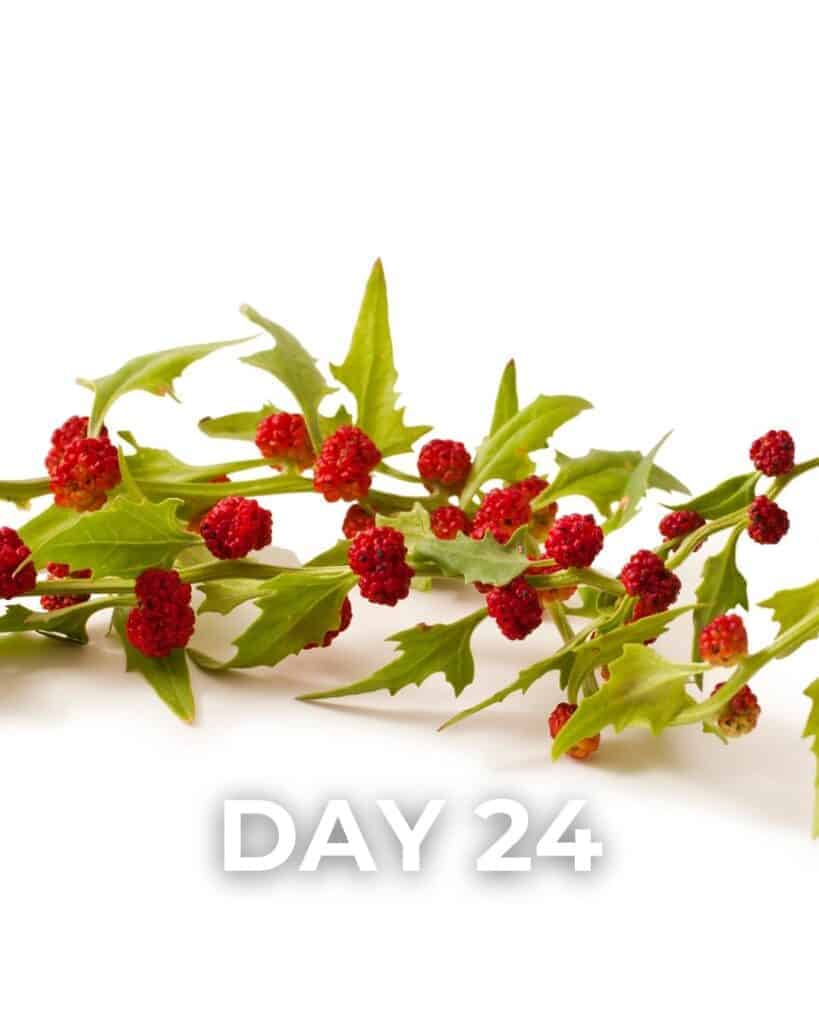
Strawberry Sticks, also known as strawberry spinach, is a historic European plant that has been grown since at least the 1600s as both a leafy green and an edible curiosity. The young leaves are harvested first and used like spinach, with a mild flavour that works well lightly cooked or stirred into soups. As the season progresses, the plant produces clusters of vivid red, strawberry-like fruits, to enjoy in late summer. These fruits are only lightly sweet and were traditionally used for jams, syrups and natural colouring. Unusual, unexpected and useful all at the same time, this is a plant that rewards your curiosity and surprises you twice in one season.
Sow: February to June
| Cookie | Duration | Description |
|---|---|---|
| cookielawinfo-checkbox-analytics | 11 months | This cookie is set by GDPR Cookie Consent plugin. The cookie is used to store the user consent for the cookies in the category "Analytics". |
| cookielawinfo-checkbox-functional | 11 months | The cookie is set by GDPR cookie consent to record the user consent for the cookies in the category "Functional". |
| cookielawinfo-checkbox-necessary | 11 months | This cookie is set by GDPR Cookie Consent plugin. The cookies is used to store the user consent for the cookies in the category "Necessary". |
| cookielawinfo-checkbox-others | 11 months | This cookie is set by GDPR Cookie Consent plugin. The cookie is used to store the user consent for the cookies in the category "Other. |
| cookielawinfo-checkbox-performance | 11 months | This cookie is set by GDPR Cookie Consent plugin. The cookie is used to store the user consent for the cookies in the category "Performance". |
| viewed_cookie_policy | 11 months | The cookie is set by the GDPR Cookie Consent plugin and is used to store whether or not user has consented to the use of cookies. It does not store any personal data. |
