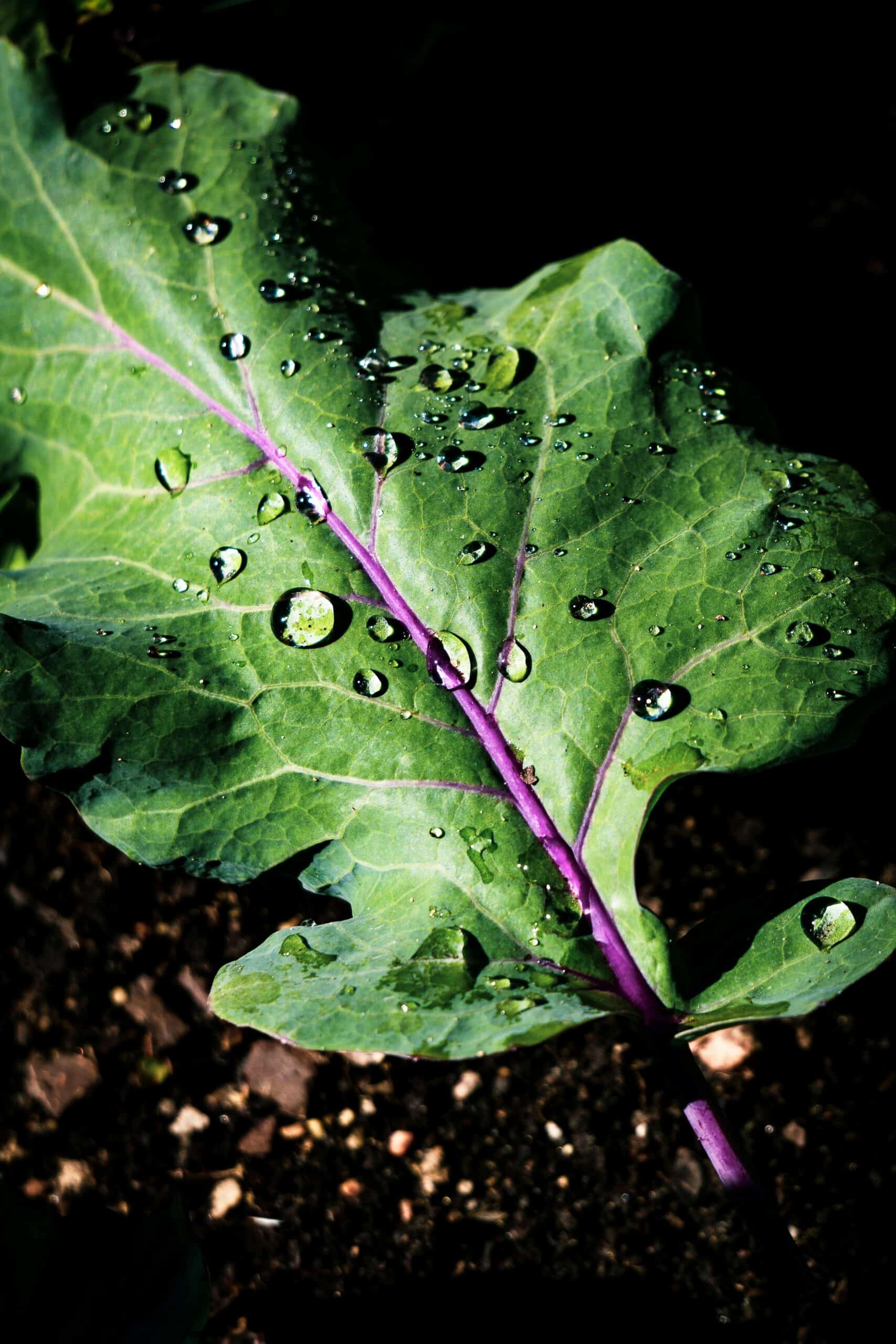
Brassica Oleracea – 0.16g – Approx 45 seeds
A heritage perennial from the 1800s that can continue producing for around five years. The young leaves can be picked regularly and used just like traditional kale.
Its unusual origins are part of what makes it so special – a cross between kale and Brussels sprout, later re-crossed with purple sprouting broccoli.
This variety was so interesting that it even caught the attention of Charles Darwin, who wrote about it during the 1860s.
The name came about because it was once popular amongst rural cottagers, providing a reliable source of food that needed very little maintenance. It’s just as suited to our busy lives today as it was back then.
The seeds should be sown in modules in the spring. Transplant in the summer when the plants are about 10-15cm tall and space around 50cm apart. Can also direct sow over the summer months. Harvest the leaves as required or during the Autumn and winter.